Roger Walton
The GuiltyRoger Walton, whom Will Robie knows as Blue Man, is a senior Agency leader whose authority and candor make him one of Robie’s rare dependable contacts. He embodies the institution’s calm, consequential pragmatism: he explains a failed operation without disguising its costs, even as Robie struggles to trust his own mind.
Identity and Position
Walton’s real name is Roger Walton, but Robie thinks of him as Blue Man, a nickname tied to his leadership color level at the Agency. He is not at its highest level, yet his position gives him knowledge of all, or nearly all, that is happening there. His authority is substantial without being absolute, a distinction that suits his role as a well-informed intermediary rather than an omniscient figure.
The Agency would never officially recognize that Robie even existed, but Blue Man is described as the one person besides Robie’s sometime partner, Jessica Reel, on whom Robie could count. That trust rests partly on Walton’s manner of speaking: he tells Robie the truth directly, whether or not Robie wants to hear it. His reliability is personal, even when the institution behind him remains deliberately deniable.
Professional Bearing
Walton’s appearance reinforces his old-school discipline. He wears an off-the-rack blue suit, a red tie, and a collar tab; his silver hair is neatly combed, and he is freshly shaved. The details are ordinary, but their consistency gives him the aspect of someone whose professional habits remain intact under pressure. Nothing seems to rattle him or interrupt the routines formed over a long career.
That career has involved killing a few to keep many safe. The stark arithmetic of the description places Walton inside the moral logic of Agency work: decisions are made under conditions where preventing a larger danger may demand a smaller, deliberate cost. The text does not present him as untouched by that logic so much as practiced in living and working within it. His measured composure contrasts sharply with Robie, who arrives after an eleven-hour flight in an air freighter looking and feeling depleted, unable even to say that he feels anything.
The Failed Operation
After the operation goes wrong, Robie receives a message identifying the sender as Blue Man: “WILL BE STANDING BY WHEN YOU LAND. WE’LL TALK.” The brief promise of a conversation leaves Robie trying to interpret what it means, but it also establishes Walton’s role as the person who will meet him and explain the institutional account of what happened.
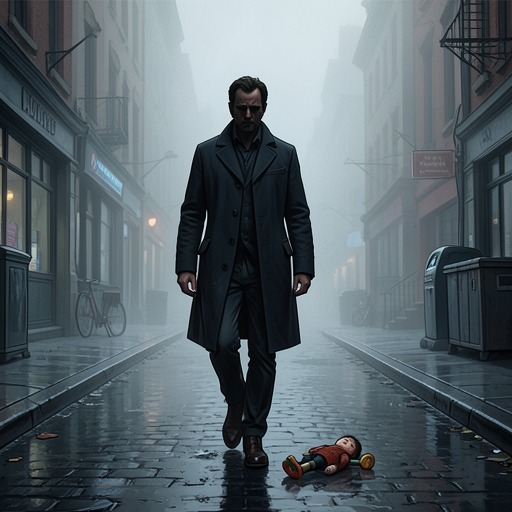
When they are together in the Suburban, Walton breaks the silence with a concise assessment: “Obviously, it did not all go according to plan.” He explains that the intelligence was flawed, something that often happens in the operational setting, and that the team had to work with what was available. The child was supposed to be with her mother; a last-minute change of plans left the daughter at home. By the time that change became apparent, aborting the operation risked raising suspicion against the Agency’s inside operative. Walton’s explanation identifies the chain of circumstances behind the failure, while making clear that the decision to continue was constrained by the danger to the operative.
His account is neither a denial that the plan failed nor an attempt to make the intelligence sound reliable. Instead, he names the error and its operational context plainly. That directness is consistent with the trust Robie places in him, though it cannot undo what happened or erase the uncertainty Robie carries away from the mission.
Trust and Robie’s Crisis
Walton’s importance becomes especially clear when Robie’s confidence in himself collapses. After realizing that his mind may have played a trick on him, Robie fears that he can never again be certain it will not happen again. The person he had always believed he could rely on was himself; that certainty is now gone. Against this crisis, Walton’s established dependability offers a significant contrast: Robie can count on Blue Man even when he can no longer fully count on his own perception.
At a later meeting on the other side of a bridge, Walton asks, “Have you reached any conclusions?” The question does not supply Robie with an answer or settle his doubts; it places the burden of judgment back with him. Walton has stepped from the shadow of a pedestal bearing one of the bridge’s horse-and-rider Arts of War sculptures. The setting’s association with valor and sacrifice echoes the costs of the work Walton represents, while the exchange shifts attention from the Agency’s explanation of a past failure to Robie’s effort to understand what has happened to him.
Narrative Role
Walton functions as a bridge between Robie and an institution that keeps its own relationship with him unofficial. His messages and face-to-face conversations bring the Agency’s decisions into the story, but his value to Robie is not merely procedural: he is a trusted source who speaks without softening the facts. The contrast between Walton’s settled professional habits and Robie’s exhaustion and shaken self-trust gives their encounters emotional weight without turning Walton into a substitute for Robie’s own judgment.